Turning Smart Trailer Data into Maintenance Action
As trailers become more connected, fleets need analytics that prioritize tire, brake, wheel-end, and ride system information
By: Matt Wilson, VP/General Manager of Hendrickson Vehicle Technology Group
Connected trailer technology gives fleets more visibility into equipment conditions than ever before, but visibility without action does not improve uptime. Active analytics means filtering equipment data so that each person sees only the signals they need, in a format that supports the decisions they make every day. A tire pressure reading, wheel‑end status signal, axle load measurement, or brake wear alert are useful only when they reach the right person with a clear indication of urgency and the next steps to take.
This actionable alert distinction is becoming more important as suspensions, wheel-ends, braking systems, and tire pressure control systems become sensor enabled. A driver needs a clear warning when a condition affects the route, not a stream of low priority diagnostic information. A maintenance planner needs to know which tire position is losing pressure and whether the trailer can wait until its next service window. Operations, on the other hand, may only need to know whether the asset is ready for dispatch. Active analytics should sort those needs before the data reaches the fleet, so each person sees key equipment conditions in a form that matches the decisions they personally have to make.
Many fleets that already use telematics have access to more trailer data than they can realistically use. The value of such data often depends on what happens next, whether the information can help teams catch potential equipment problems earlier, shorten diagnostic time, and keep preventable failures from sidelining trailers.
As trailers become more connected, fleets need analytics that prioritize tire, brake, wheel-end, and ride system information
More Data Can Create More Noise
Many fleets are already dealing with the side effects of disconnected information. Tire pressure data can sit in one system, telematics information in another, maintenance history in a shop platform, and fault alerts in a separate dashboard. When these systems are not interconnected and do not produce a clear hierarchy of action, teams can be left sorting through data that is technically accurate but operationally weak.
Some systems transmit raw tire pressure information without enough analysis at the vehicle level, so fleets receive frequent readings and alerts without knowing whether a tire is leaking, whether the condition is urgent, or whether the alert is simply a nuisance. If maintenance teams receive too many alerts that do not require service, they may start to ignore them.
That alert fatigue can create risk beyond inconvenience. When low value alerts sit beside urgent ones, the fleet can miss a developing issue that requires immediate attention. A slow tire leak, abnormal wheel-end condition, or emerging brake wear condition can disappear inside a larger stream of routine signals. This is why active analytics must begin with use case selection, not sensor count. Different fleets have different exposure points. A long haul carrier with thousands of trailers can face a different visibility challenge because equipment often does not immediately return to the terminal, while a specialty hauler may need finer insight into multi-axle trailers with many wheel positions. A vocational fleet often places greater emphasis on brake wear, wheel-end condition, or load distribution. In each case, the most valuable signals are the ones that help prevent specific maintenance failures or operating delays.
For many fleets, active analytics begins with tires and brakes because those systems generate frequent maintenance events and have a direct effect on cost, uptime, roadside risk, and equipment availability. Tire pressure, tire leak status, automatic tire inflation activity, brake wear, wheel-end condition, and axle load data all support better service and maintenance decisions, but they do not carry equal value in every application. The goal is to define which signals deserve attention before the system over-alerts drivers, dispatchers, maintenance planners, or technicians.
Building Alerts Around Maintenance Decisions
 A useful analytics framework follows a practical sequence. It starts with the fleet’s most expensive or disruptive problems, such as roadside tire events, avoidable brake repairs, extended troubleshooting time, repeated wheel‑end inspections, reduced trailer availability, or missed deliveries caused by equipment that should have been pulled from service earlier.
From there, fleets can map specific data points to those problems. A tire pressure reading by itself is less useful than an analyzed tire condition. A wheel‑end signal becomes more valuable when it indicates which wheel position deserves inspection. Brake wear data has greater value when it helps the shop schedule work before the trailer becomes unavailable for a load.
The next step is prioritization. Active analytics should not treat every abnormal condition the same way. A structured alert model can help fleets distinguish normal operation from cautionary maintenance issues and urgent conditions. One practical way to make alert priority immediately legible is to use a color coded signal model similar to a stoplight. Instead of asking a driver, dispatcher, or maintenance planner to interpret raw data, the system can translate an equipment condition into a clear operating status: green for normal operation, yellow for a condition that needs planned attention, and red for an urgent issue.
In practice, that framework includes five steps: define the problems that cost the fleet the most time and money; select the tire, brake, wheel‑end, and load signals that best expose those problems; organize alerts into clear green, yellow, and red priority buckets; tie each bucket to a specific action and role in the organization; and then feed recurring patterns back into spec decisions and maintenance timelines.
This type of hierarchy helps maintenance teams plan instead of react. Yellow alerts are especially important because they create the bridge between scheduled maintenance and predictive maintenance. A fleet may not need to pull a trailer from service immediately, but it can route the asset through the shop before a minor condition turns into a delivery failure.
The same logic supports asset planning. If a trailer has an unresolved tire or brake condition, dispatch may choose a different unit for the next load. If multiple trailers are due for inspection based on sensor driven condition data, the shop can build those repairs into its schedule. Over time, recurring patterns may also inform spec decisions. If certain operating conditions repeatedly create tire, brake, or wheel-end issues, the fleet has a stronger basis for changing equipment choices, maintenance intervals, or inspection practices.
Where Equipment Level Intelligence Fits
 The most effective smart trailer strategy does not depend on sending every raw data point to the cloud and leaving the fleet to interpret it later. Some analysis should happen closer to the trailer, where equipment-level algorithms can filter sensor information before it becomes another dashboard entry.
Anderson Trucking provides a useful example. The fleet operates unique multi‑axle trailers with many wheel positions, which made it difficult and time‑consuming to diagnose tire problems. By having tire pressure information more readily available and being able to identify which specific wheel‑end and tire were at issue, Anderson streamlined maintenance and reduced unplanned downtime when those trailers came into the shop.
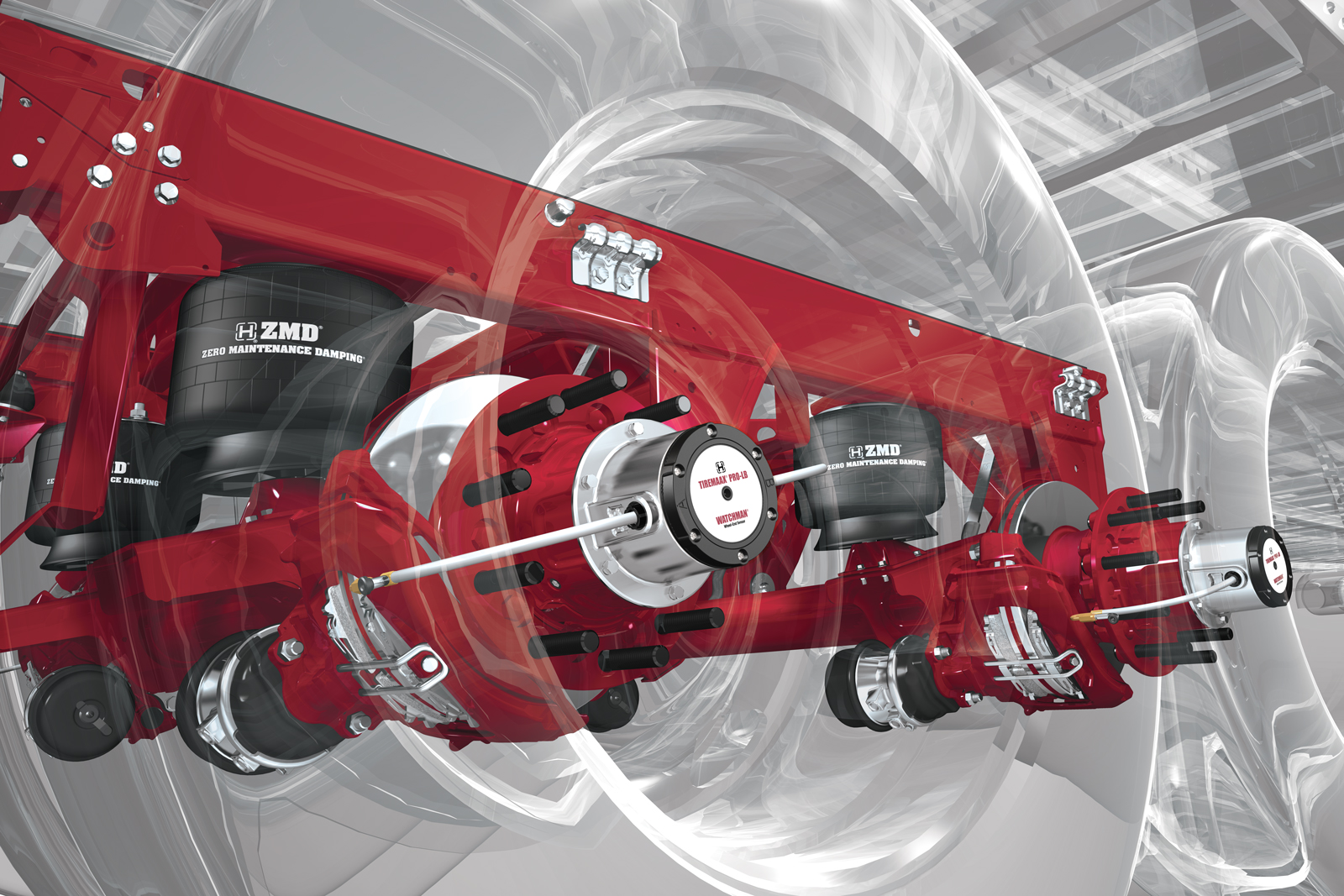
Hendrickson, a global leader in suspension technology and complete ride systems for commercial vehicles, offers an approach to active analytics that reflects this equipment level role. As an integrated ride systems supplier, the company works across its line of trailer suspensions, wheel-ends, brakes, automatic tire pressure control, and emerging vehicle technology. Hendrickson’s systems level role matters because connected data only becomes useful when it points back to a real equipment condition, such as a tire leak, brake wear issue, wheel-end concern, inflation system fault, or suspension related problem.
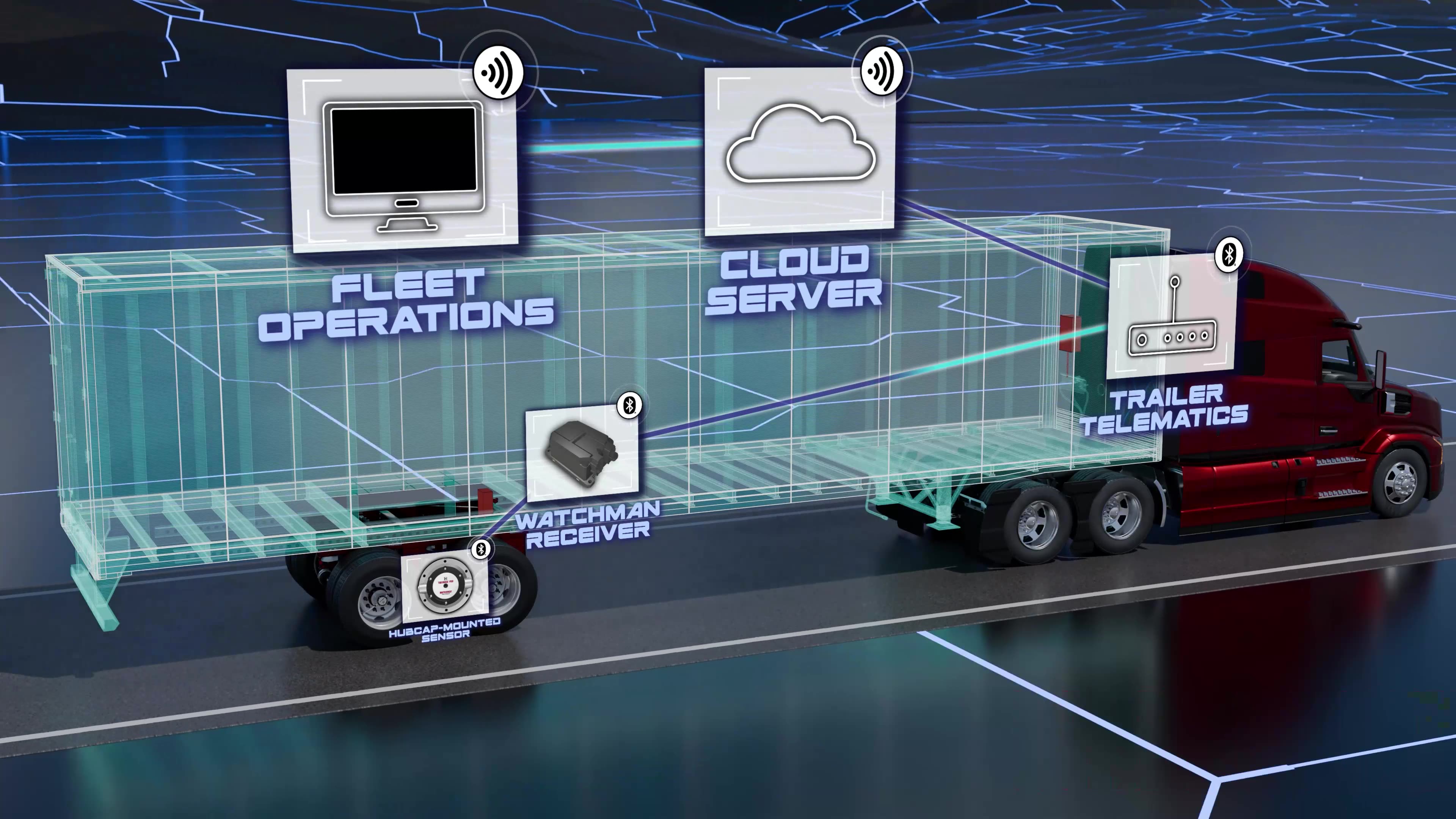
 WATCHMAN®, Hendrickson’s tire pressure monitoring system, reflects the shift from passive data collection to actionable condition reporting. Rather than only passing raw tire pressure data downstream, the system uses on-board algorithms at the trailer to evaluate tire status and identify leaks and more urgent pressure issues. That information is then organized into priority levels before it reaches a telematics provider, maintenance platform, or fleet dashboard.
This approach helps reduce unnecessary data transmission and gives fleets a more useful starting point. If the tires are operating normally, the system does not need to create noise. If a condition deserves attention, the alert should already indicate the severity of the issue and help the fleet decide what next steps to take.
The same principle applies as sensing expands beyond tire pressure. Sensor enabled wheel-ends, brake wear indicators, wheel-end vibration monitoring, and automatic tire pressure control data can all support maintenance decisions when the information is filtered by component condition, service priority, and wheel position. A technician who knows which tire, wheel-end, or related component requires inspection can move more quickly from diagnosis to repair.
This increased efficiency becomes especially important during a technician shortage. Skilled service labor is already constrained across many fleet operations, and troubleshooting can consume as much time as the repair itself. When equipment data gives the technician a head start, shop time can be spent correcting the issue rather than searching for it.
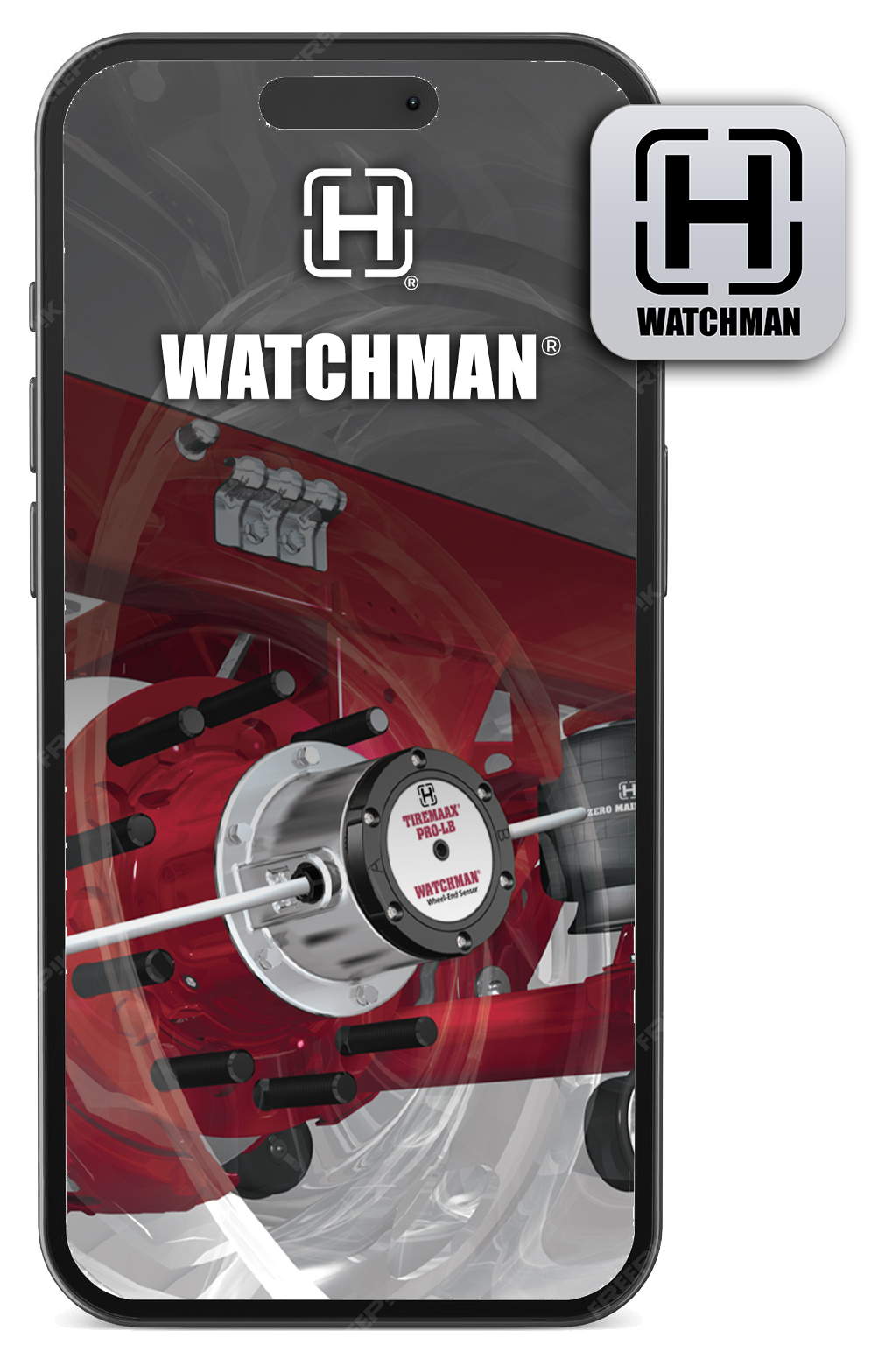
Driver access is another part of putting trailer data to use. The WATCHMAN app allows drivers to view tire pressure and wheel-end condition information from trailers equipped with TIREMAAX TPMS or WATCHMAN systems while within Bluetooth range. This information can support equipment checks by helping drivers identify conditions that may need attention.
Integrating Data into Fleet Workflows
Connected trailer information becomes more useful when it’s available in the systems fleets already use to run business. Telematics platforms, maintenance software, ELD interfaces, and fleet management dashboards all influence how quickly information regarding an operating condition moves from the trailer to a person who can act on it. Many fleets are aiming for a single pane of glass—a common dashboard for each asset that brings together operational status, maintenance needs, and fault information, rather than forcing teams to jump between multiple portals to understand equipment health. If that path is fragmented, even useful information can stall before it affects dispatch, service planning, or repair execution.
 Trailer data has to pass through several hands before it becomes useful in daily operations. Equipment suppliers can help by organizing the information before it leaves the trailer, identifying the affected system, the nature of the condition, and the level of urgency. In Hendrickson’s case, those cleaned, prioritized alerts are handed off to telematics and software partners who manage how they appear in the fleet’s dashboards and maintenance systems. Telematics providers, OEMs, and maintenance software platforms then move that information into the fleet’s existing tools, where dispatchers, maintenance planners, and technicians can use it without creating a separate process for every connected component.
Automatic tire inflation creates a useful workflow example. Inflation helps support continued operation, but it can mask small leaks and may not identify which specific tire has a problem. When an enhanced level of tire pressure monitoring data reaches the maintenance workflow in a usable form, the fleet can see which tire is losing pressure, treat the leak as a planned service item, and address it during shop time instead of letting the inflation system hide the issue indefinitely.
For fleets, the larger opportunity is to make connected trailer data part of normal operations. The strongest systems do not ask teams to leave their workflow to interpret equipment health; they bring usable trailer status into the places where dispatch, maintenance, and service decisions already happen.
Reliability Depends on the Quality of the Decision
Fleets need to know which assets are ready to dispatch, which trailers should be routed through the shop, which components require immediate attention, and which recurring patterns should influence future specs. That requires analytics tied to the realities of tires, brakes, wheel-ends, suspensions, automatic tire inflation, telematics integration, shop scheduling, and technician availability.
A cleaner view of trailer health can help operations assign equipment with more confidence.
Equipment that is reliable by design is not only built from stronger suspensions, wheel‑ends, brakes, and tire inflation systems, but from better information pathways between the trailer, the shop, and the fleet operation. Smart trailer data becomes part of that reliability when it reduces uncertainty, whether through a focused alert that prevents an unnecessary roadside event or a wheel‑position‑specific warning that shortens troubleshooting and keeps limited technician time focused on actual repairs. As connected systems continue to mature, the fleets that gain the most will be those that treat data as a core maintenance tool, not a digital byproduct.